+86-13819126663
Affugtere til museer, arkiver og biblioteker video

Affugtere til museer, arkiver og biblioteker

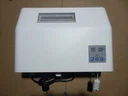
240L affugter til museer

Beskrivelse

Affugtere til museer, arkiver


Hovedtræk:

1. Stor arealanvendelse: Stor affugtningskapacitet, der passer til efterspørgsel efter affugtning i store områder, stor vindcyklus


2, ultra bredt fugtighedsområde: 20% -90% ultra bredt fugtighedsområde, kan imødekomme behovene hos forskellige affugtningssteder, kan fleksibelt reagere på ekstreme miljøer


3, støtte kontinuerlig dræning: eksternt drænrør, direkte adgang til kloakrøret, hensigtsmæssig dræning


4, intelligent affugtning: indeholder smarte chips, vil automatisk intelligent affugtning i henhold til den nuværende miljøfugtighed, ikke nødvendigt at se


5, intelligent fejlbedømmelse: Fastgør automatisk fejlplaceringen og tilbagemeldingen på LCD-skærmen til vedligeholdelse


6, tovejs timing: kan indstille opstartstid og nedlukningstid i henhold til arbejdskravene, nem at betjene


Produktbilleder:

Dehumidifiers for Museums, Archives and Libraries

Dehumidifiers for Museums, Archives and Libraries

Detaljerede parametre:

Model DH-5168C
Fugtfjerning 168L / D eller 7L / H
Strømkilde 380V / 50HZ
Nominel strømindgang 3.2KW
Strømstrøm 6.2A
Arbejdstemperatur 5-38 ℃
Cirkulerende luft 1600M3 / h
Kølemiddel R22 / R407C
Nettovægt 108 kg
Bruttovægt 118 kg
Anvendelse af plads 150 ~ 200m2
Produkt Dimension 405x605x1620mm
Pakningsstørrelse 485x655x1680mm
Indlæser mængde 33pcs / 20ft
Produktionsperiode 10 dage
Garanti 1 år

Ansøgning om affugter i museer, arkiver og biblioteker

Begrebet fugtighed (absolut fugtighed og relativ luftfugtighed) er normalt involveret i undersøgelsen af museets miljøstudier. For at forstå fugtigheden er det nødvendigt at forstå forholdet mellem relativ fugtighed og absolut fugtighed. Luften omkring os indeholder en vis mængde vanddamp, som kaldes våd luft; Den luft, der er teoretisk fri for vanddamp, kaldes tør luft. Absolut fugtighed er forholdet mellem massen af vanddamp i luften og det totale volumen af fugtig luft. Det er et mål for mængden af vanddamp i luften.


Under visse betingelser for temperaturen er forholdet mellem vandindholdet i luften og vandindholdet, hvor vanddampen i luften når mætningspunktet, det, vi normalt kalder relativ luftfugtighed. Når fugtigheden i luften når det højeste niveau, kaldes det mætning. Den relative luftfugtighed er i dette tilfælde 100%.


Den mængde vand, der kan opbevares i luften, påvirkes af temperaturen. Jo højere temperaturen er, jo mere vandet er. Derfor ændrer den absolutte fugtighed (vandindhold) ikke. Jo højere temperaturen er, jo lavere er den relative fugtighed. Hvis vægten af vanddamp i luften er konstant, og temperaturen ændres, kan den relative fugtighed variere meget.


For eksempel til museer i et semi-åbent miljø kan samlinger inklusive metalgenstande udsættes for højere temperatur og relativ luftfugtighed under udstillingen, men af en eller anden grund flyttes artefakterne til i et lavtemperaturmiljø på grund af forandringen af temperaturen vil vanddampen omkring metalgenstande kondensere under kolde forhold og forårsage kondensering. Fænomenet vanddamp "kondensation" på overfladen af metalgenstande er en vigtig årsag til korrosion af metalgenstande.


Desuden er fugtigheden i det miljø, hvor samlingen er placeret, for stor, hvilket gør samlingerne med dårlig vandmodstand, såsom papir, farven på malerierne mørkere og er tilbøjelige til at støbe pletter; og hvis luftfugtigheden er for lav, vil træet og lakkerne knække. . Derfor er det vigtigt at kontrollere atmosfærens fugtindhold og temperatur i museet.


I dag er mange museer og kunstgallerier i ind-og udland begyndt at anvende atmosfæriske fugtighedsregulatorer, fugtabsorberingsmidler mv til at justere fugtigheden på udstillingslokalet og lageret og har fået visse resultater.

The concept of humidity (absolute humidity and relative humidity) is usually involved in the study of museum environmental studies. In order to understand the humidity, it is necessary to understand the relationship between relative humidity and absolute humidity. The air around us contains a certain amount of water vapor, which is called wet air; the air that is theoretically free of water vapor is called dry air. Absolute humidity is the ratio of the mass of water vapor in the air to the total volume of humid air. It is a measure of the amount of water vapor in the air.  Under certain conditions of temperature, the ratio of the water content in the air to the water content at which the water vapor in the air reaches the saturation point is what we usually call relative humidity. When the moisture in the air reaches the highest level, it is called saturation. The relative humidity in this case is 100%.  The amount of water that can be stored in the air is affected by the temperature. The higher the temperature, the more the water is. Therefore, the absolute humidity (water content) does not change. The higher the temperature, the lower the relative humidity. If the weight of water vapor in the air is constant and the temperature changes, the relative humidity may vary greatly.  For example, for museums in a semi-open environment, collections including metal artifacts may be exposed to a higher temperature and relative humidity during the exhibition, but for some reason the artifacts are moved to In a low temperature environment, due to the change of temperature, the water vapor around the metal artifacts will condense under cold conditions, causing


The concept of humidity (absolute humidity and relative humidity) is usually involved in the study of museum environmental studies. In order to understand the humidity, it is necessary to understand the relationship between relative humidity and absolute humidity. The air around us contains a certain amount of water vapor, which is called wet air; the air that is theoretically free of water vapor is called dry air. Absolute humidity is the ratio of the mass of water vapor in the air to the total volume of humid air. It is a measure of the amount of water vapor in the air.  Under certain conditions of temperature, the ratio of the water content in the air to the water content at which the water vapor in the air reaches the saturation point is what we usually call relative humidity. When the moisture in the air reaches the highest level, it is called saturation. The relative humidity in this case is 100%.  The amount of water that can be stored in the air is affected by the temperature. The higher the temperature, the more the water is. Therefore, the absolute humidity (water content) does not change. The higher the temperature, the lower the relative humidity. If the weight of water vapor in the air is constant and the temperature changes, the relative humidity may vary greatly.  For example, for museums in a semi-open environment, collections including metal artifacts may be exposed to a higher temperature and relative humidity during the exhibition, but for some reason the artifacts are moved to In a low temperature environment, due to the change of temperature, the water vapor around the metal artifacts will condense under cold conditions, causing

Populære tags: affugter til museer, arkiver og bibliotekerChina, producenter, leverandører, fabrik, engros

Send forespørgsel

(0/10)

clearall